Best Fire Extinguisher for Electrical Fires and Electronics
Best Fire Extinguisher for Electrical Fires and Electronics
Protect electrical equipment and sensitive electronics without leaving behind a powdery mess.

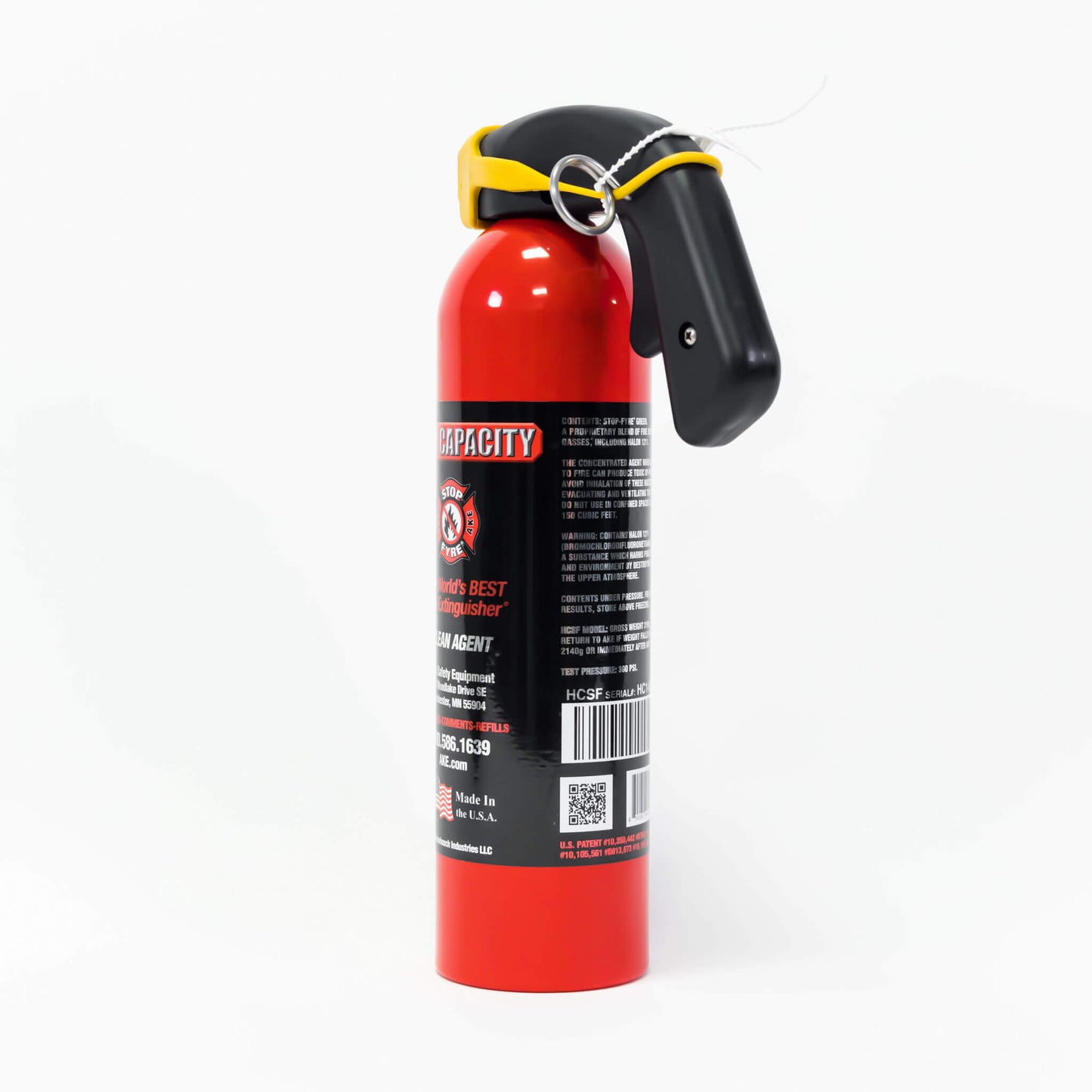
For energized electrical equipment, use an extinguisher appropriate for Class C electrical hazards. Around sensitive electronics or expensive equipment, a clean-agent extinguisher can be a strong choice because it leaves no dry chemical powder behind—reducing cleanup, contamination, and potential corrosion concerns.
Dry Chemical vs. STOP-FYRE®
Both can be used for appropriate electrical hazards, but what happens after discharge can be very different—especially when valuable electronics and equipment are involved.

| Factor | STOP-FYRE® Clean Agent | Dry Chemical (ABC) |
|---|---|---|
| Residue | ✓ No dry chemical powder residue | ✕ Leaves dry chemical powder |
| Electrical Use | ✓ Electrically non-conductive agent | ✓ Suitable when appropriately Class C rated |
| Cleanup | ✓ No powder cleanup | ✕ Powder may require extensive cleanup |
| Corrosion Risk | ✓ Non-corrosive clean agent | ✕ Residue may contribute to corrosion under certain conditions |
Watch STOP-FYRE® in action: See clean-agent fire protection without the dry chemical powder.
Why STOP-FYRE®?
Where Clean-Agent Protection Makes Sense
Frequently Asked Questions
What class of fire is an electrical fire?
Fires involving energized electrical equipment are treated as Class C hazards. The extinguisher should be appropriate for both the electrical hazard and the material that may be burning.
Can dry chemical powder damage electronics?
Dry chemical powder can spread into electronics, controls, cabinets, wiring, and other components, creating additional cleanup after the fire has been extinguished.
Can dry chemical extinguisher powder cause corrosion?
Multipurpose dry chemical residue may contribute to corrosion under certain heat and humidity conditions, especially when residue remains on equipment.
Is a clean-agent extinguisher good for electronics?
Clean-agent extinguishers are often considered around sensitive equipment because they can suppress fire without leaving dry chemical powder behind. Always confirm the extinguisher is appropriate for the specific hazard.